Brief highlights
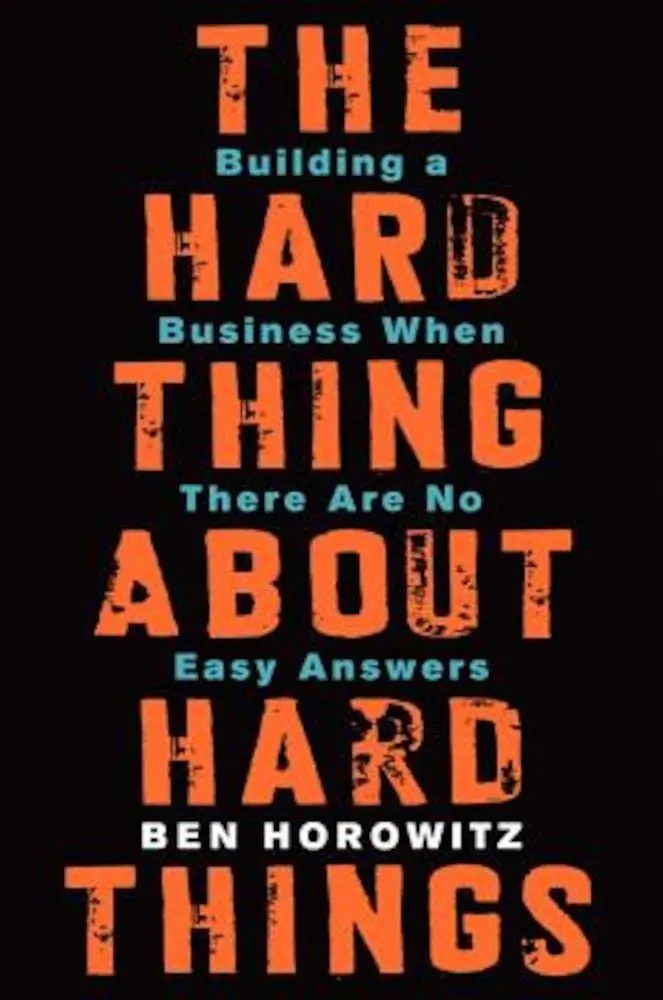
Most business books focus on how to succeed. The Hard Thing About Hard Things is different. Ben Horowitz doesn’t sugarcoat anything. He doesn’t pretend building a company is glamorous or easy. Instead, he talks honestly about the fear, stress, doubts, and impossible decisions that leaders face when everything goes wrong. It’s a book filled with real stories, real pain, and real lessons, not theories.
The struggle is real
One of the strongest parts of the book is when Horowitz describes “The Struggle.”
The Struggle is when:
you wake up at 3 a.m. in panic
you fake confidence in front of your employees
you wonder if you’re the right person to lead
you think the company might collapse
you feel alone even with a full team around you
Horowitz says this is not a sign of failure, it’s part of the journey. Every founder faces the
struggle. The ones who survive learn how to push through it even when nothing makes sense.
Continue when you don’t have all the answers
A big theme in the book is leadership under extreme pressure. Horowitz argues that CEOs often don’t know
the right answer, but they still have to make a decision.
He says a leader’s job is not to be perfect but to stay calm, stay honest, and keep moving. When things
are bad, people don’t want lies, they want clarity, even if the truth is hard.
One of the most famous ideas from the book is the difference between peacetime CEOs and wartime
CEOs.
Peacetime CEO leads in calm markets, focuses on culture, planning, long-term strategy.
Wartime CEO leads when the company is fighting for survival, decisions are fast, direct, and aggressive.
Horowitz says great leaders must know when to switch modes. Running a startup usually means spending a
lot of time in wartime.
Resilience
Horowitz explains that building a strong company and managing your own mind are deeply connected. A company that can take a punch starts with a leader who can take a punch. You can hire great people, set clear expectations, build trust, and create a culture that’s honest and resilient, but none of it works if you, as the leader, crumble under pressure. Horowitz argues that the hardest skill is controlling your own emotions when everything feels like it’s falling apart. If you panic, the team panics. If you stay focused, honest, and steady, even when you’re scared, the company becomes stronger too. In tough times, your mental stability is part of the company’s foundation. How you handle fear, stress, and uncertainty becomes the tone everyone else follows.